What affects your credit score and what doesn't
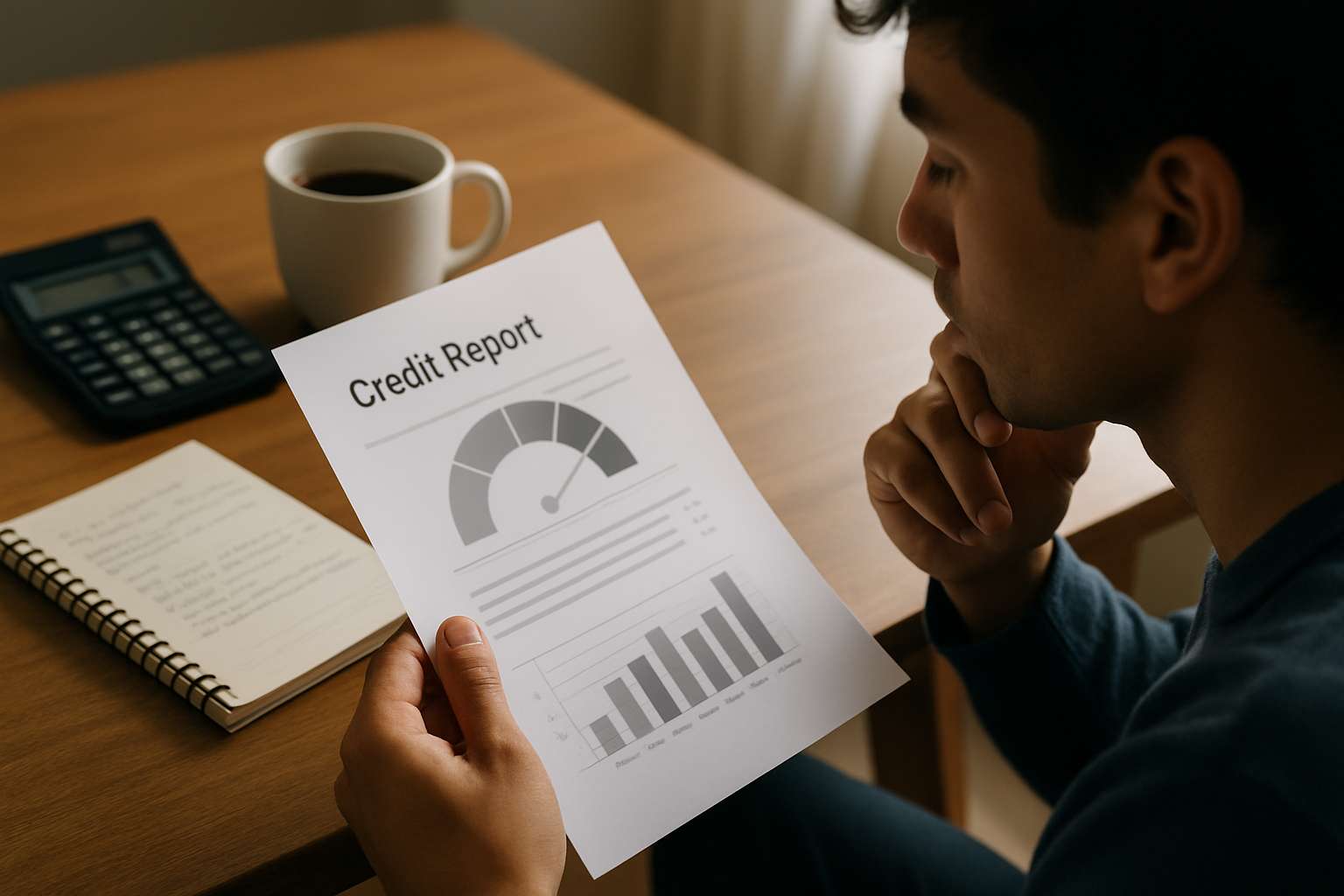

Understanding Credit Score Components.
Your credit score is a crucial financial metric that lenders use to assess your creditworthiness. It typically ranges from 300 to 850, with higher scores indicating lower risk for lenders. Various factors contribute to the calculation of your credit score, and understanding these elements can help you manage your finances more effectively. The FICO score, which is one of the most widely used credit scoring models, breaks down the components of your credit score into specific categories, each with varying degrees of importance.
Payment History: The Most Influential Factor.
Your payment history accounts for approximately 35% of your FICO score, making it the most significant factor affecting your credit. This aspect reflects whether you have made timely payments on your credit accounts, including credit cards, mortgages, and loans. A single missed payment can stay on your credit report for up to seven years, severely impacting your credit score. According to Experian, consumers with a solid payment history can enjoy scores that are significantly higher than the national average. Maintaining consistent payments is key to building and preserving a strong credit score.
Credit Utilization: Keeping Balances Low Matters.
Credit utilization, which constitutes about 30% of your FICO score, measures how much of your available credit you are using. Ideally, you should aim to keep your utilization ratio below 30%, as higher ratios can signal to lenders that you may be overextended financially. For instance, if you have a credit limit of $10,000, it's recommended to keep your balance below $3,000. According to a recent survey by CreditCards.com, nearly 30% of Americans do not know their credit utilization ratio, which can hinder their ability to maintain a healthy score. Ultimately, managing your credit card balances wisely can have a major positive impact on your score.
Length of Credit History: A Long-Term Perspective.
The length of your credit history accounts for about 15% of your credit score. This includes the age of your oldest account, the average age of all your accounts, and how long it has been since you used your accounts. A longer credit history can be beneficial because it demonstrates your ability to manage credit responsibly over time. Credit scoring models reward those with established accounts, so opening new accounts frequently can actually hurt your score. As a general rule, it is advisable to keep older accounts open, even if they are not actively used, to improve your overall credit history length.
Types of Credit: Diversifying Your Accounts.
Having a mix of credit types—such as credit cards, installment loans, and retail accounts—can account for approximately 10% of your credit score. Lenders like to see that you can manage different types of credit responsibly. While it may not be necessary to have multiple lines of credit, diversifying your credit profile can show lenders that you are capable of handling various forms of debt. However, be cautious; taking on debt solely to improve your credit mix can lead to unnecessary financial strain.
Recent Inquiries: The Impact of Credit Checks.
Finally, recent inquiries into your credit report make up around 10% of your credit score. When you apply for a loan or credit card, lenders perform a hard inquiry to assess your creditworthiness. Too many hard inquiries in a short period can negatively affect your score, as it may suggest that you are seeking credit aggressively. However, soft inquiries, such as checking your own score, do not impact your credit and are a good practice for monitoring your financial health.
What Doesn’t Affect Your Credit Score.
While many factors can influence your credit score, some elements do not play a role in the calculation. For instance, your income, employment status, and age are not considered in credit scoring models. Additionally, personal information such as marital status, race, or nationality is also excluded to prevent discrimination. Furthermore, utility payments and rent payments typically do not influence your credit score unless they are reported to the credit bureaus. Keeping these aspects in mind can help you focus on the factors that truly matter.
Building and maintaining a good credit score is a journey that requires attention and responsibility. By understanding what affects your credit score and what does not, you can take actionable steps towards achieving your financial goals. Have you experienced challenges with your credit score? Feel free to share your stories and tips in the comments below, and let others learn from your experience.

Frequently asked questions.
What factors significantly affect my credit score?
Key factors that affect your credit score include payment history, credit utilization, length of credit history, types of credit used, and new credit inquiries. Consistently making on-time payments and maintaining a low credit utilization ratio can positively impact your score.
Does checking my own credit score affect it?
No, checking your own credit score is considered a 'soft inquiry' and does not affect your credit score. It's important to monitor your credit regularly to stay informed.
How does debt impact my credit score?
High levels of debt can negatively affect your credit score, particularly if your credit utilization ratio exceeds 30%. Reducing outstanding debt and managing credit responsibly can help improve your score.
Do late payments affect my credit score?
Yes, late payments can have a significant negative impact on your credit score. Payment history is one of the most important factors, and even a single late payment can lower your score substantially.